Reports that the flow of foreign direct investment into the People’s Republic of China (“PRC”) turned negative in recent weeks have prompted a great deal of soul-searching about the Chinese economy.
After all, China had been a huge recipient of foreign investment since joining the World Trade Organisation (“WTO”) in 2001, which went towards turning itself into the workshop of the world, enriching China hugely.
Now, though, the FDI fall is clear – and anecdotally visible in Hong Kong; companies simply are not putting money into China, or doing deals like they used to.
Rising tensions
The key point is that geopolitical tensions and a weaker economy have scared off many investors.
A major development has been a worsening of Sino-American relations, for many reasons, including the more authoritarian stance of Xi Jinping, protectionist impulses in the US, anger at China’s abuses of the trading system, and fundamental differences between the US, as a maritime, liberal, democratic economy, and China, as a continental, statist power.
These differences perhaps became most obvious in 2019, with the publication of the Made in China 2025 strategy, which sought to entrench Chinese control of the “commanding heights” of the new economy.
It seems that this stance was the “final straw”, combined with political developments such as the protests in Hong Kong, and a cascade of consequences have since followed, such as trade restrictions, sanctions and other measures aimed at China and its businesses, such as Huawei.
Nor is the situation likely to improve. The US has no interest in further strengthening China. The upcoming meeting between Chinese Communist Party (“CCP”) General Secretary Xi Jinping and US President Joe Biden will thus probably do no more than arrest the decline.
Rather, the issue is now of preventing a complete collapse in relations, even war.
Clumsy policymaking
Another key issue has been China’s domestic policy. The investment climate is seriously weak, in part owing to the collapse of the property sector.
Property had accounted for perhaps 25% to 30% of GDP, but has been on its back since the Chinese government in August 2020 introduced its “three red lines” (三條紅線), which limited leverage for property and thereby provoked the implosion of many of the biggest developers in the country.
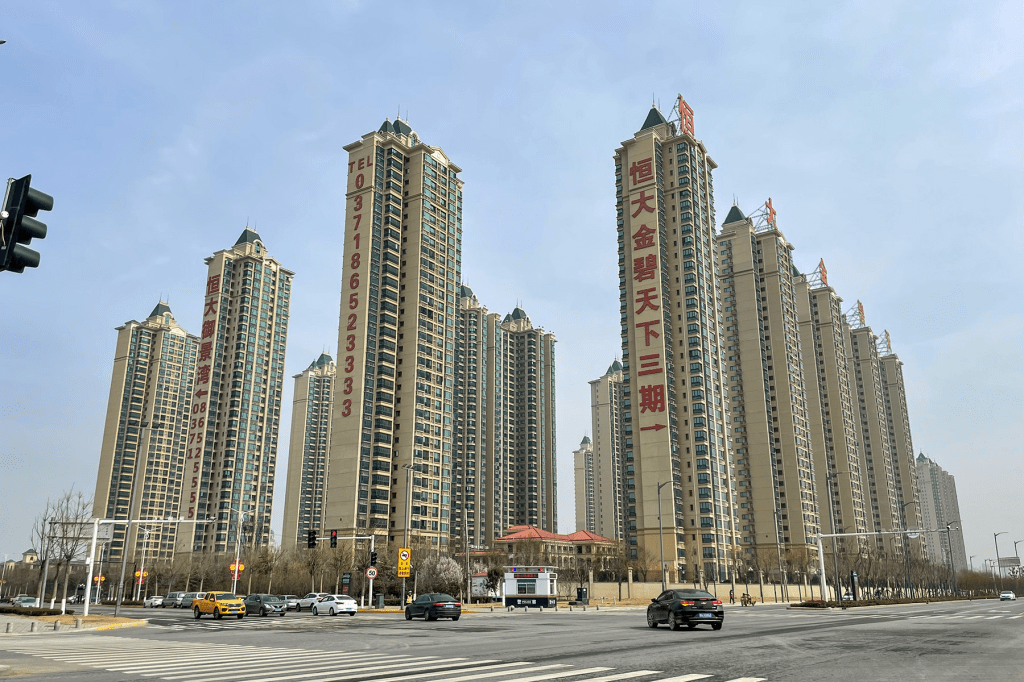
The impact on the broader financial system has been huge – and its scale is not yet clear, given that much lending takes place in the grey economy, potentially affecting trust companies and insurers, for instance.
Of additional note has been a sharp turn towards statism since 2012, with steps to take control of major businesses, such as Ant Financial, the arrest of many senior executives, and steps to limit the raising of capital to strategic sectors.
Policy has also come to seem deeply erratic, which has left many investors, foreign and domestic, feeling deeply exposed.
How to respond
The decline in foreign investment, then, is entirely rational. Of course, many foreign businesses are now legacy investors, unable to leave China quickly or without paying a high price.
Most of those are not in strategic sectors, such as semi-conductors or electric vehicles, and so should be able to continue manufacturing. Even so, they need to prepare for a further decline in links that seems likely.
This article from Hong Kong-based risk consultancy Steve Vickers Associates sets out how businesses might respond.
 Living with the Dragon
Leave a comment